
9 hr
Krka Waterfalls & Primošten Beach Day Trip from Split
Discover cascading falls, cruise the Krka River, and swim at Dalmatian beaches on this full-day escape.
Reserve

Hand-picked by our editors — only the best 5 experiences from 47 reviewed
Verified partners for every tour, free cancellation where available, and instant confirmation on every booking.
9 hr
Discover cascading falls, cruise the Krka River, and swim at Dalmatian beaches on this full-day escape.
Reserve
10 hr
Explore cascading waterfalls, cruise the Krka River, and savor Dalmatian wines on this full-day escape.
Reserve
8 hr 30 min
Discover cascading waterfalls, traditional villages, and crystal-clear swimming spots on this full-day escape into nature.
ReservePrices from verified partners. Availability updates in real time at checkout. Free cancellation policies apply where shown.
The landmarks, rooms, and views travelers on this tour remember — all visible on a single visit.
The longest waterfall barrier on the Krka River, spanning over 800 meters. It features 17 distinct cascades that draw visitors from around the world.
This area contains a series of smaller waterfalls known as the Necklace. It remains a peaceful spot within the Krka National Park boundary.
Located on a small island, this site has been inhabited by Franciscan monks since the 14th century. The monastery houses a significant collection of books and artifacts.
Also known as the Holy Archangel monastery, this site serves as a spiritual center with ancient catacombs. It is one of the most important Serbian Orthodox landmarks in the region.
Krka is the superior choice for those prioritizing proximity and manageable walking distances, while Plitvice Lakes offers a more extensive, immersive experience for travelers with a full day to spare. This comparison helps you decide if a krka half day tour from split or a longer trek is right for your schedule.
| Feature | Top pick Krka | Plitvice Lakes |
|---|---|---|
Distance from Split |
approx. 90 km | approx. 250 km |
Travel time |
1.5 hours | 3.5 hours |
Terrain type |
Tufa waterfalls and river boardwalks | Cascading lakes and forest paths |
Primary visual appeal |
Swimming areas and historic mills | Expansive turquoise lake systems |
Typical visit duration |
4–5 hours | 6–8 hours |
Accessibility level |
Moderate with 2195 steps | High with varied incline trails |
| See tickets → |
Verdict: If you are searching for krka half day tour from split tickets, choose Krka for a efficient excursion, whereas Plitvice Lakes is the ideal destination for a full-day nature escape.
Choose your ticket, select your date, and reserve in under two minutes. Secure checkout handled by our verified partner.
Instant confirmation by email, with a mobile voucher you can save offline. No printing, no queuing at a collection desk.
Arrive at the entrance, show your voucher on your phone, and walk in. Most tickets include priority or skip-the-line access.
Practical details for your visit straight from our verified partners — hours, access, rules, and how to get there.
Trg Republike
Central harbor meeting location
Follow the A1 motorway from Split towards the Krka exit.
Buses depart daily from the main Split bus terminal to Skradin.
Visitors on a krka half day tour from split must wear suitable walking shoes for uneven terrain. Modest clothing is recommended when visiting religious sites near the park.
Large backpacks are discouraged on any krka half day tour from split due to narrow wooden walkways. Security personnel may perform random checks at park entry points.
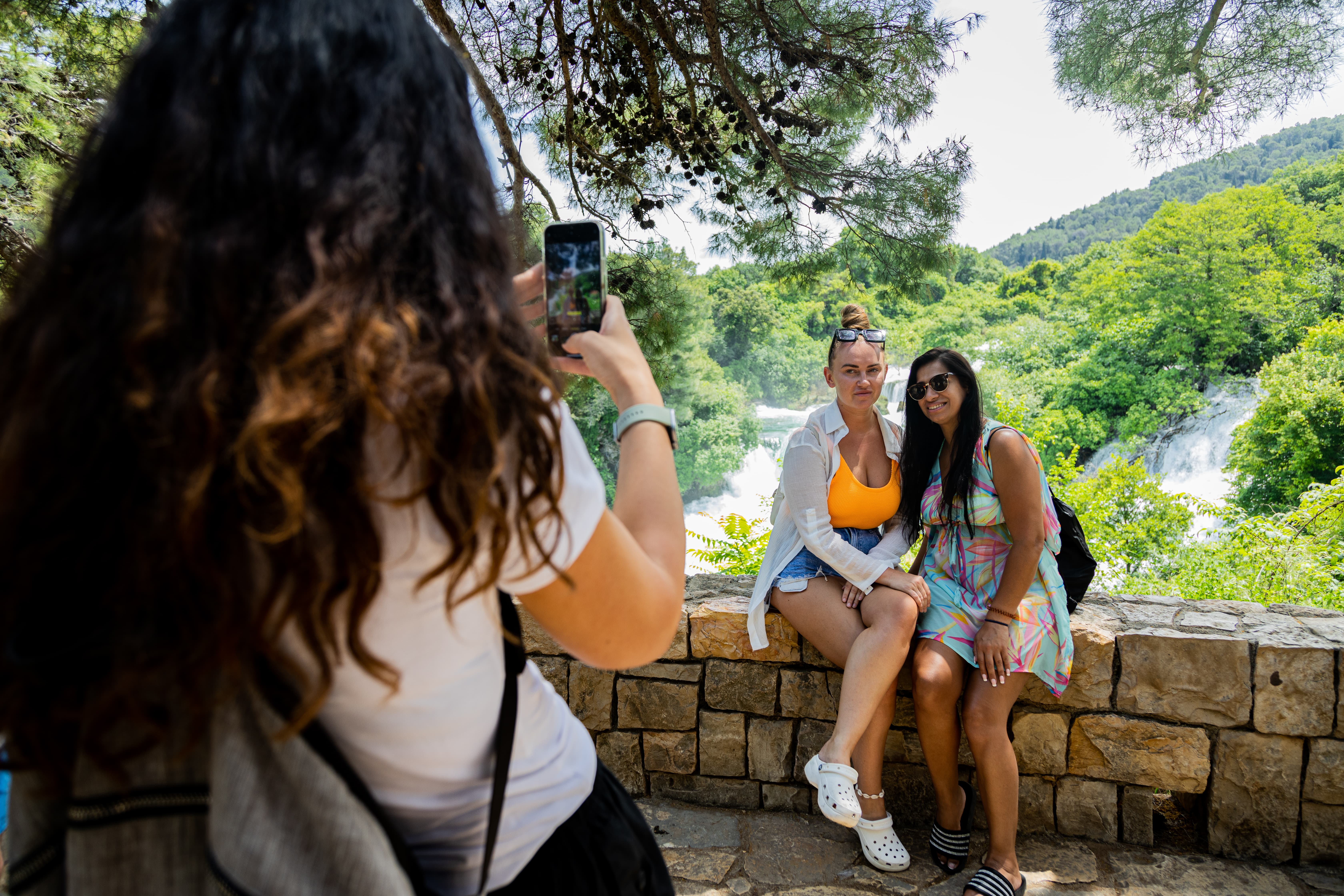
Personal photography is permitted throughout the park during your krka half day tour from split. Use of drones is strictly prohibited without prior authorization from the park administration.
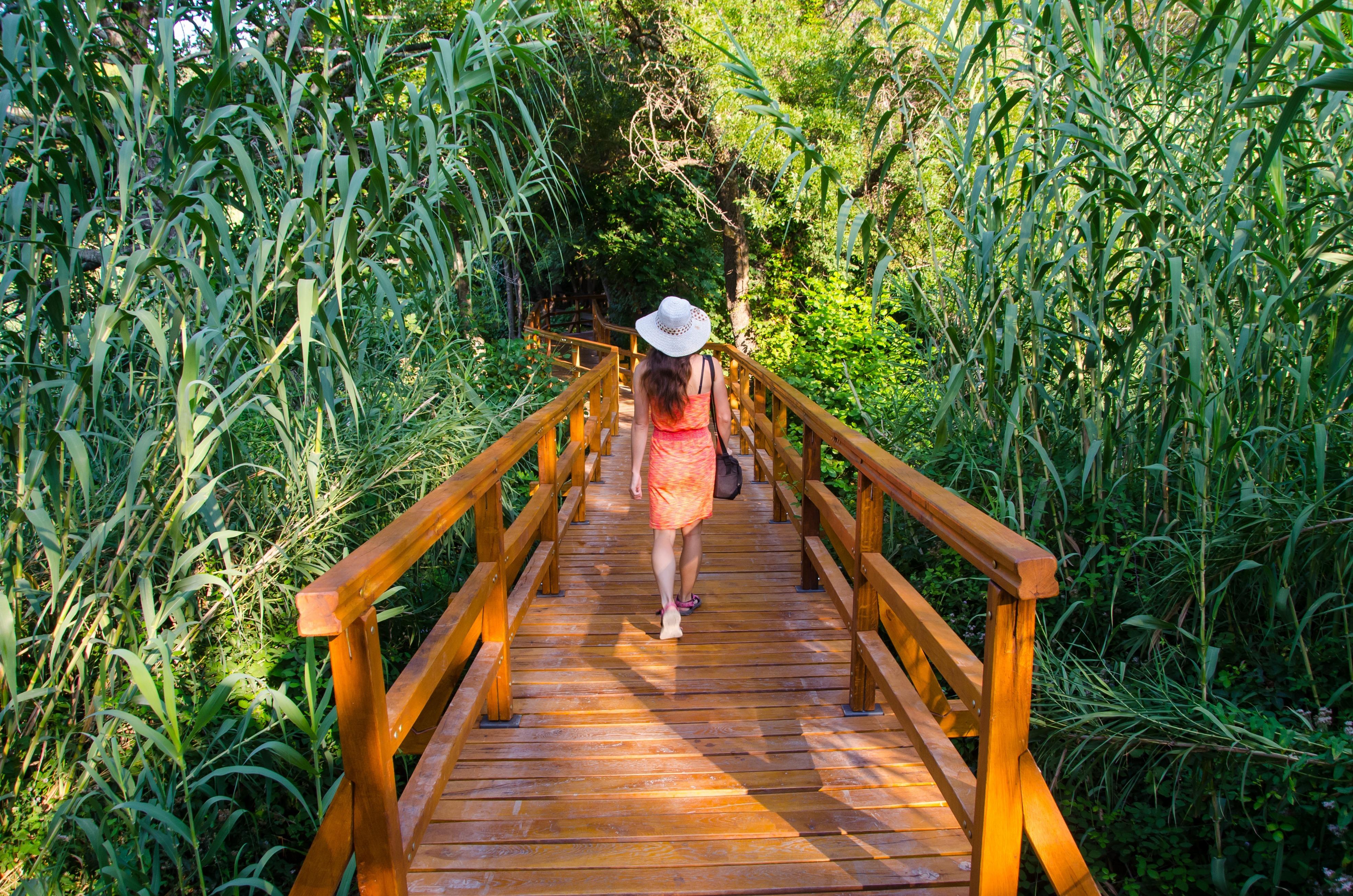
The park terrain is rugged and may be challenging for those with mobility issues during a krka half day tour from split. Wooden footbridges feature varying inclines and require careful navigation.
Mobile reception is limited in deeper canyon sections of the park. Download offline maps before beginning your krka half day tour from split.
Children under 7 enjoy free entry, making a krka half day tour from split a cost-effective choice for families. Strollers are not recommended due to the wooden boardwalk paths.
Several cafes are located near the waterfalls to support your krka half day tour from split. Bringing a reusable water bottle is essential to stay hydrated in the summer heat.
Pets must be kept on a leash at all times within Krka National Park boundaries. They are not permitted on park boats used during some transit routes.
Booking a krka half day tour from split ensures organized logistics from your accommodation. Tours typically include a boat transfer to the main waterfall area.
Best time to go, insider tips, nearby landmarks, and the cancellation fine print — flip through to skim what matters to you.
How crowds, weather, and events shift across the year.
High temperatures and peak visitor numbers occur during July and August. Arrive early for the best experience.
Mild weather and blooming flora make this ideal for nature walks. Lower crowd levels compared to summer.
Small details that turn a good visit into a great one.
Start your krka half day tour from split at 08:00 to avoid peak midday sun.
Wear closed-toe shoes rather than sandals for the wooden boardwalks.
Check the latest boat schedule at the Skradin entrance to optimize your krka half day tour from split duration.
Budget 40 EUR for tickets if not included in your package.
Visit the upper viewing platforms early to capture waterfall vistas without crowds.
Non-bookable sights within a short walk — free to visit, easy to pair.
UNESCO-listed building known for its stone construction.
Flexible, no hidden fees.
Full refunds are provided for cancellations made at least 24 hours before the departure of your krka half day tour from split. Requests submitted after this window are non-refundable, excluding the standard 40 EUR entrance fee which follows park conservation policies.
Hand-picked options within walking distance — pick a district for vibe, or a specific hotel for convenience.
Variety of guesthouses near the entrance.
Krka National Park protects seventeen travertine barriers built by calcium carbonate deposits over millennia, the most accessible of which—Skradinski Buk—drops forty-five metres across seventeen cascades into emerald pools that remained open to swimmers until 2021. The park's 109 square kilometres follow the Krka River from its source near Knin to the Šibenik estuary, passing through canyons that shelter 860 plant species, including the endemic Krka bellflower. Franciscan monks established a monastery on Visovac Island in 1445, and the collection's illuminated manuscripts and incunabula remain on view in the original library. The stone watermills at Skradinski Buk, restored in the 1980s, ground wheat for surrounding villages until the early twentieth century; their wooden gears and millstones demonstrate the hydraulic engineering that sustained rural Dalmatia for five centuries. Krka half day tour from split departures carry between two and three million visitors annually, the majority arriving between June and September when the park extends operating hours to accommodate coach traffic from the coast. The travertine formations grow at a rate of one centimetre per year, fed by the river's karst sources upstream; the calcium-rich water supports a rare tufa-building ecosystem that UNESCO has recognized as a natural heritage candidate since 2017. The park authority restricts access to certain zones during nesting season for the golden eagle and peregrine falcon, both of which breed in the canyon's inaccessible cliffs. The route from Split follows the E65 motorway inland for ninety kilometres, passing through the karst plateau that defines the Dalmatian hinterland. Most krka half day tour from split tickets include entrance to the Skradinski Buk zone, where boardwalk circuits traverse the cascade's lower basin; extended itineraries add boat transfers to Visovac Island or the medieval fortifications at Burnum, a first-century Roman legionary camp. Wine-tasting extensions stop at family estates in the Promina foothills, where indigenous Babić and Debit grapes grow on limestone slopes too steep for mechanical harvest. The park's northern entrance at Roški Slap remains quieter, though its twelve-metre cascade and ethnographic village attract those seeking an alternative to the main zone's summer congestion.
"The travertine barriers grow at one centimetre per year, fed by karst springs that have shaped the canyon for ten thousand years."
A step-by-step walkthrough of the visit — what you'll see, how long each stage takes, and the details that matter.
You board an air-conditioned coach in Split's Gat Svetog Duje at 08:00, joining a group of thirty as the guide distributes park entry vouchers and outlines the day's sequence. The motorway rises inland through the karst, olive groves giving way to scrub and exposed limestone as the coach climbs toward Šibenik. Ninety minutes later you arrive at the park's main entrance; the guide leads you past the ticket validation point and onto the network of wooden boardwalks that trace the Skradinski Buk cascade. You descend slowly, pausing at viewpoints where the seventeen-step waterfall fans across travertine shelves, the sound of falling water replacing traffic noise from the coast. The boardwalk circuit takes forty-five minutes at a moderate pace, winding through willow thickets and crossing footbridges above the lower pools. You reach the restored watermills at the basin's edge, their wooden wheels still turning in the current. If your krka half day tour from split tour includes the boat extension, you continue to the jetty for a thirty-minute transfer to Visovac Island, where a Franciscan guide shows you the monastery's library and chapel. Wine-tasting departures route through the Promina hills on the return leg, stopping at a family vineyard for tastings of Babić and Debit paired with local cheese. You arrive back in Split by 18:00, the late-afternoon light slanting across the Riva as the coach pulls into the harbour.
The park is open daily from 08:00–20:00.
The standard adult ticket fee is 40 EUR during peak season.
Yes, many operators provide private krka half day tour from split options.
No, but children must be supervised on the boardwalks during the Krka National Park tour.
Arriving between 08:00–09:30 is recommended for the best experience on your krka half day tour from split.
Yes, you can take photos during your krka half day tour from split, but drones are banned.
Wear comfortable walking shoes and light clothing for the Krka National Park climate.
You can take a bus or drive from Split to the Krka National Park entrance.
Food is typically not included in a krka half day tour from split, but cafes are available.
You receive a full refund if you cancel your krka half day tour from split at least 24 hours in advance.